Sustainable Polyurethane Pultruded Composite Material Aluminum Frames for Solar Panel
Short description:
description1
Dimension |
Technical Performance |
Mechanical Strength |
Shear strength improved by 40%, fatigue recovery superior to metal, integrated load-bearing surface design prevents cracking. |
Life Cycle |
Design life > 25 years, performance degradation < 1% after accelerated aging test (PCT 48h/salt spray/UV) |
Electrical Safety |
Insulation materials do not need to be grounded, avoiding potential induced degradation (PID) and reducing system operation and maintenance risks. |
Environmental Adaptation |
Thermal expansion coefficient matching photovoltaic glass, no deformation or frame detachment under a temperature difference of -40°C to 85°C. |
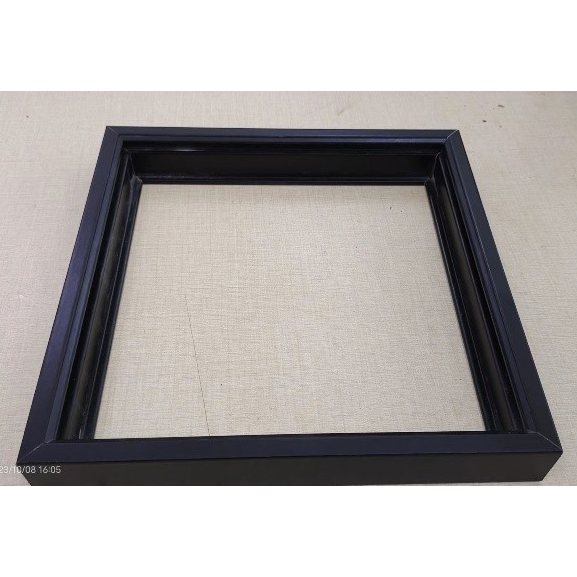
Polyurethane composite solar panel frames demonstrate exceptional material performance. As a non-metallic material, the polyurethane composite is constructed using a high-density polyurethane resin matrix combined with a dual-layer polyester fiber reinforcement layer. Compared to traditional aluminum frames, this design reduces overall manufacturing costs for solar panel manufacturers while enhancing energy efficiency.
Through continuous pultrusion technology, the material achieves zero-pore high-density molding, with a density 30% lower than aluminum alloy, while maintaining outstanding mechanical properties. Its axial tensile strength is over seven times that of ordinary aluminum alloy. It also exhibits exceptional resistance to salt spray corrosion and chemical corrosion. Its core weather resistance performance meets the most stringent C5M marine corrosion protection grade under ISO 12944 standards, enabling it to withstand salt spray, intense UV radiation, 85°C high temperatures, 95% humidity, and chemical corrosion over the long term. It has a design lifespan exceeding 25 years, with a performance degradation rate of less than 1% after accelerated aging testing (PCT 48h/salt spray/UV).
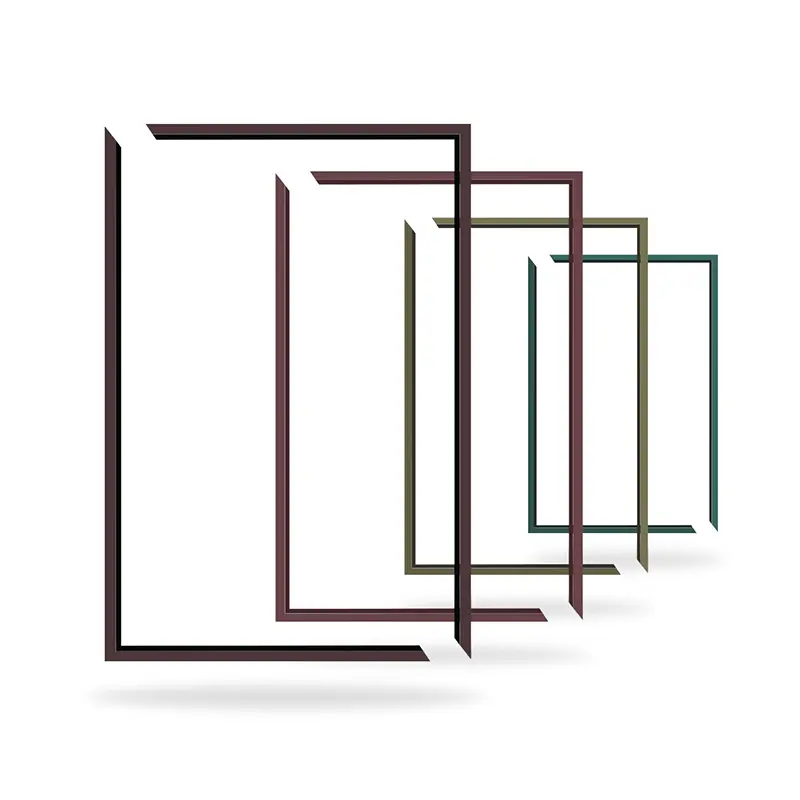
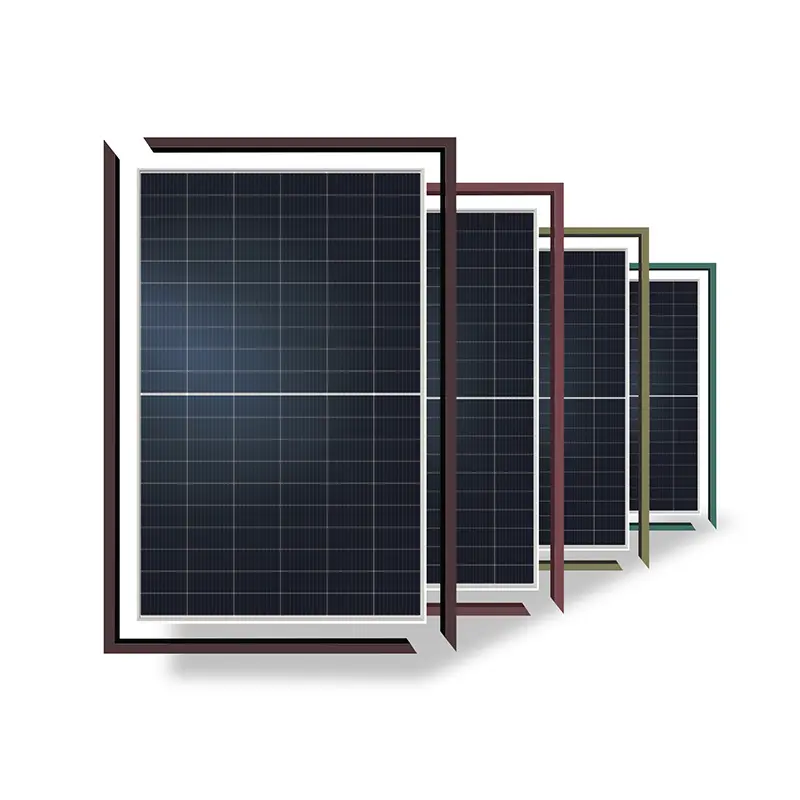
This product breaks through the limitations of traditional metal frames: shear strength is increased by 40%, and fatigue recovery performance is significantly superior to aluminum alloy; the integrated load-bearing surface design eliminates the risk of cracking during installation; insulation properties eliminate the need for grounding, completely eliminating the risk of potential-induced degradation (PID); the thermal expansion coefficient is precisely matched with photovoltaic glass, maintaining zero deformation under extreme temperature differences from -40°C to 85°C. It offers two standardized profiles: 30×20mm (compatible with 2278/2382/2465×1134 modules) and 33×20mm (compatible with 2384×1303 modules), equipped with the sixth-generation multi-tooth interlocking corner code patent technology, achieving a gap of <0.5mm for a hole-free installation structure, with a 35% increase in shear strength, and a 50% increase in installation efficiency.
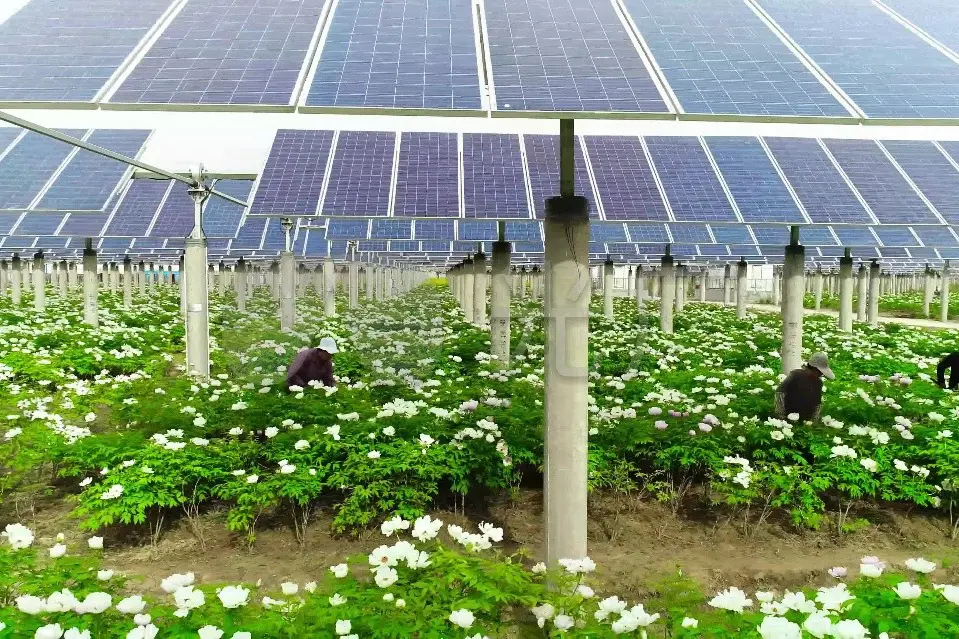
Supports clamp-type (distributed rooftop/agricultural PV), bolt-type (large-scale ground-mounted power plants/offshore wind pressure resistance >5400 Pa), and composite installation (floating water surface power plants), certified by TÜV (No. B 124976 0001 Rev.00). Field-tested verification: 6 hours of cyclic loading at 5,400 Pa forward + 2,400 Pa reverse with zero failures; power generation degradation rate of only 0.23% at 25°C constant temperature (national standard limit 0.5%); carbon footprint over the entire lifecycle is one-third that of aluminum alloy frames, enabling photovoltaic systems to achieve high reliability, low cost, and zero carbon emissions through synergistic optimization.
Application Scenarios
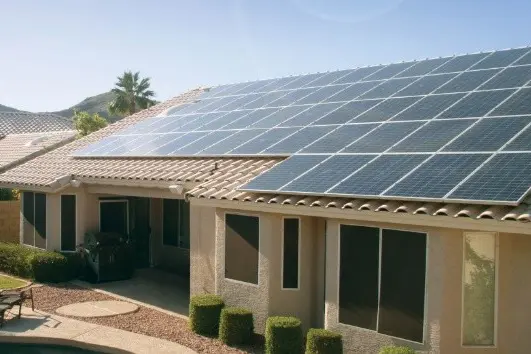
distributed photovoltaics

floating photovoltaic
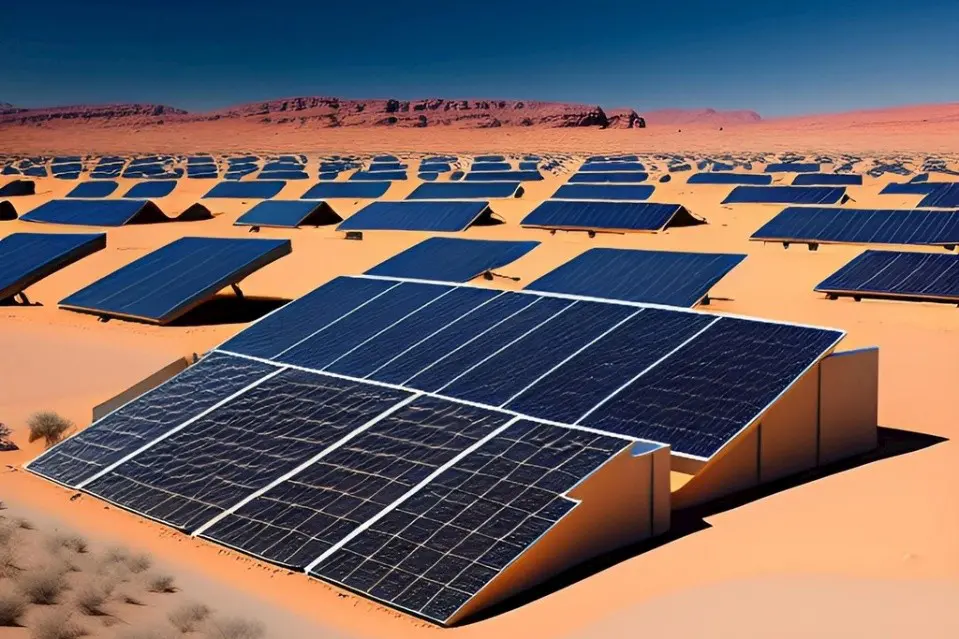
desert photovoltaics