




Understanding the Different Types of PV Module Technologies
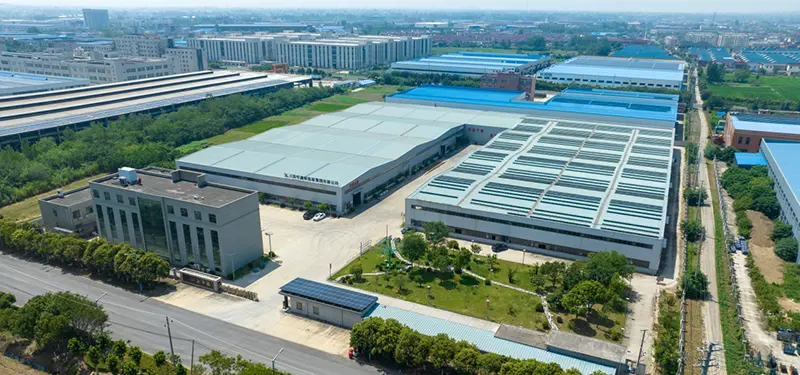
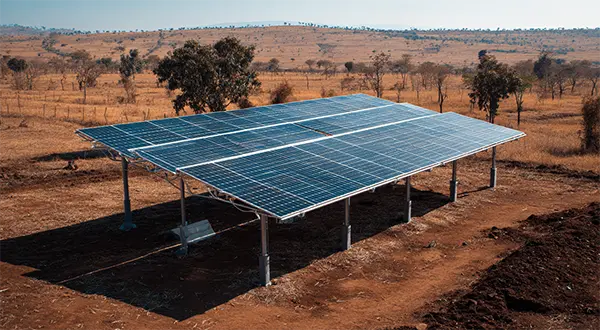
If you're currently researching renewable energy, you'll quickly realize that understanding different types of photovoltaic modules is crucial. This knowledge is almost essential for ensuring the efficient operation of Solar Power Plants. According to data from the International Renewable Energy Agency (IRENA), global solar capacity surged to over 800 gigawatts in 2021, a growth largely driven by the advanced technology behind photovoltaic modules. Companies like Jiangsu Yuxin New Energy Group have done outstanding work in this field, offering a comprehensive range of energy storage station solutions—from investment advice and consulting to design, construction, and ongoing maintenance. When researching the best types of photovoltaic modules, it's vital to focus on current industry trends and data. Choosing the right technology impacts not only immediate energy output but also the long-term sustainability of businesses of all sizes. What is our goal? To empower people to make smarter decisions that propel a future powered by clean, renewable energy.
TYPES OF PV MODULE TECHNOLOGIES: A COMPREHENSIVE OVERVIEW
When researching photovoltaic (PV) module technology, understanding the different types and their characteristics is crucial. The three common types of solar panels include monocrystalline, polycrystalline, and thin-film panels.
Monocrystalline solar panels are renowned for their ultra-high efficiency and space-saving properties, maintaining excellent performance even under poor lighting conditions. This makes them ideal for users with limited rooftop space.
Next, polycrystalline silicon solar panels are manufactured using polycrystalline silicon material and feature relatively lower production costs. Although their efficiency is slightly lower than monocrystalline panels, they are frequently employed in large-scale power generation projects due to their cost-effectiveness.
Finally, thin-film panels, including materials like cadmium telluride (CdTe) and amorphous silicon (a-Si), offer the primary advantage of being lightweight and flexible, allowing easy installation on various surfaces. While their overall efficiency is typically lower, they perform well in high-temperature environments, making them an ideal choice for specific applications.
Monocrystalline vs. Polycrystalline: Key Differences in Efficiency
When selecting solar photovoltaic modules, the decision between monocrystalline and polycrystalline panels is critical. Each type offers distinct advantages and significantly impacts system performance. Monocrystalline panels are made from a single crystal, typically achieving high efficiencies ranging from 15% to 22%. They excel due to their uniform crystal structure, which absorbs sunlight more effectively. Polycrystalline panels, composed of multiple crystalline fragments, offer slightly lower efficiency ranging from 13% to 16%, but are generally more cost-effective. When selecting the appropriate panel type, first evaluate the available installation space and power requirements. If rooftop space is limited, monocrystalline panels are more suitable due to their higher power generation efficiency per unit area. For larger installation spaces with budget constraints, polycrystalline panels can be an economical choice, though they require a greater surface area to achieve the same power output.
Additionally, warranty terms warrant careful consideration. Monocrystalline panels typically offer longer warranty periods, providing added assurance regarding durability and long-term performance. Balancing these factors will help you build a robust and reliable solar system, delivering sustained economic benefits over time.
Understanding Thin-Film Solar Cells and Their Applications
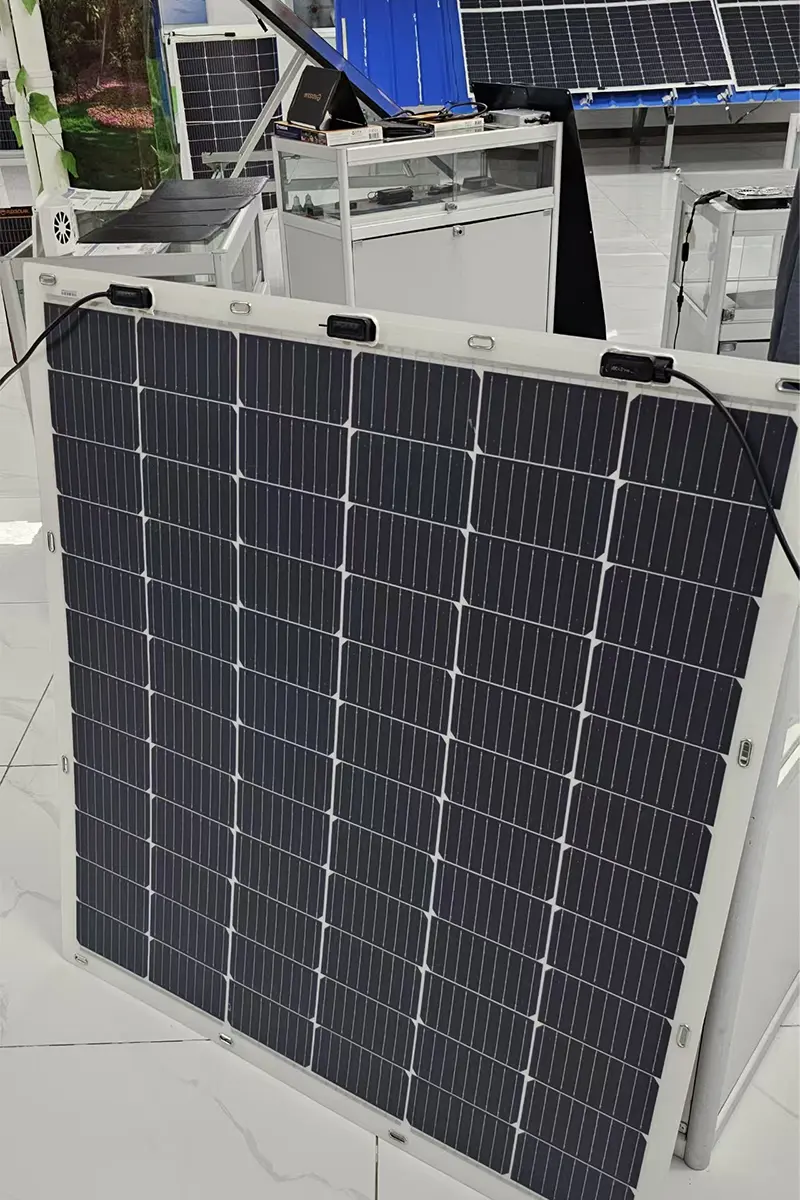
Thin-film solar cells represent an exciting advancement in solar technology. Constructed from ultra-thin photovoltaic material layers measuring just a few micrometers thick, they utilize materials such as cadmium telluride (CdTe), amorphous silicon (a-Si), and copper indium gallium selenide (CIGS). These cells are not only lightweight and flexible but also exceptionally well-suited for diverse applications like building windows or Portable Solar Devices.
The greatest advantage of thin-film solar cells lies in their ability to operate efficiently under low-light conditions and in high-temperature environments, fundamentally transforming energy usage across diverse climates. Furthermore, compared to traditional silicon panels, their manufacturing processes typically consume less energy and raw materials, resulting in a smaller environmental footprint. For these reasons, thin-film solar cells are increasingly favored in applications where aesthetics, space constraints, or environmental sustainability are paramount. In summary, the rapid advancement of thin-film solar cells is paving the way for more sustainable energy solutions, charting a promising path for the future.
Bifacial Solar Panels: Harnessing More Light for Enhanced Performance
Recently, bifacial solar panels have garnered significant attention in the renewable energy sector. Their primary advantage lies in capturing sunlight from both sides: one side absorbs direct sunlight, while the other captures light reflected from the ground or surrounding surfaces. This enables them to absorb more solar energy, typically resulting in higher power output and superior performance.
The effectiveness of bifacial solar panels depends not only on panel design but also on installation location and method. For instance, mounting them on highly reflective surfaces like white gravel or water surfaces proves more efficient, as these locations help the panels capture more reflected light. Additionally, the durability of these panels allows them to withstand various weather conditions, making them a wise long-term investment choice when considering solar energy.
As people increasingly seek eco-friendly energy solutions, bifacial solar panels will undoubtedly play a pivotal role in enhancing global solar efficiency. This isn't just a cool technology—it represents a significant advancement in boosting renewable energy utilization.
Emerging PV Technologies: Perovskite Solar Cells and Their Potential
Recently, perovskite solar cells have garnered significant attention in the solar energy sector. This novel type of solar cell has demonstrated remarkably impressive efficiency data, exceeding the expectations of many experts. Perovskite cells have successfully achieved efficiencies exceeding 30%, a breakthrough regarded as a game-changer. Not only do they convert sunlight into electricity more efficiently than traditional silicon panels, but they are also typically lower in cost and more accessible, with expectations of broader applications in the future.
Nevertheless, the widespread adoption of this technology is not without challenges, particularly in terms of stability and scaling up production. With the rapid growth in global demand for renewable energy, experts anticipate that installing these innovative perovskite solar panels will become a trend. These cells can be thinner, occupy less land, contribute to sustainable development, and reduce environmental footprints, helping to meet the world's growing energy needs.
Comparative Analysis: Cost-Effectiveness of Various PV Technologies
When it comes to different types of photovoltaic (PV) modules, getting the cost-effectiveness right is crucial—especially if you're running a business and want to maximize returns on your energy investment. There are several main types, such as monocrystalline, polycrystalline, and thin-film PV panels, each with its own advantages and disadvantages. For instance, monocrystalline panels are highly popular due to their high efficiency and long lifespan, but they tend to be more expensive. On the other hand, polycrystalline options are more budget-friendly while still delivering respectable performance. Then there are thin-film modules—they aren't highly efficient overall, but they can be game-changers when flexibility and lightweight design are paramount.
At Jiangsu Yuxin New Energy Group Co., Ltd., we possess extensive expertise in both photovoltaic power plants and energy storage. We are dedicated to helping industrial and commercial clients select the optimal, most cost-effective PV solutions tailored to their specific needs. Our services cover every aspect from investment advice and consulting to project design, construction, ongoing operations, and maintenance. By carefully analyzing the total lifecycle costs of different PV technology options, we empower clients to make smarter decisions—maximizing return on investment while advancing a more sustainable, eco-friendly future. Frankly, understanding these differences isn't just about saving money; it's about taking strategic action toward a cleaner, smarter energy landscape.