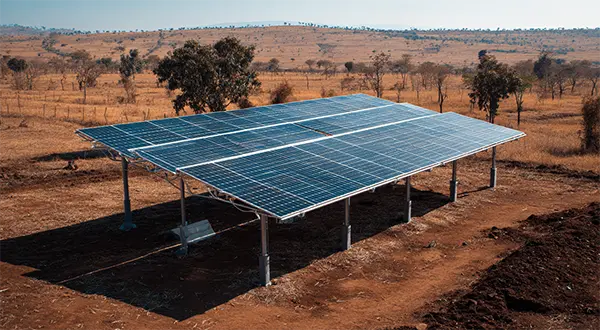
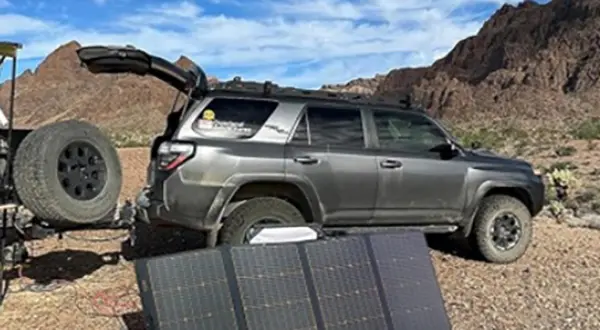
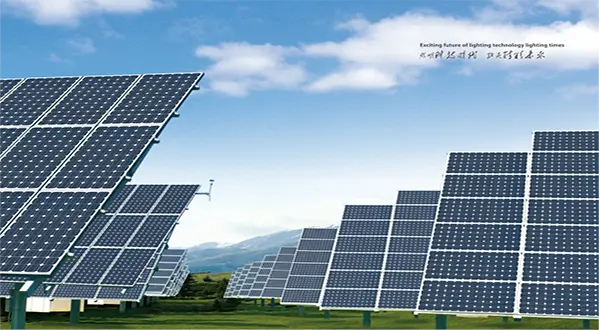
Installation instruction for solar panel
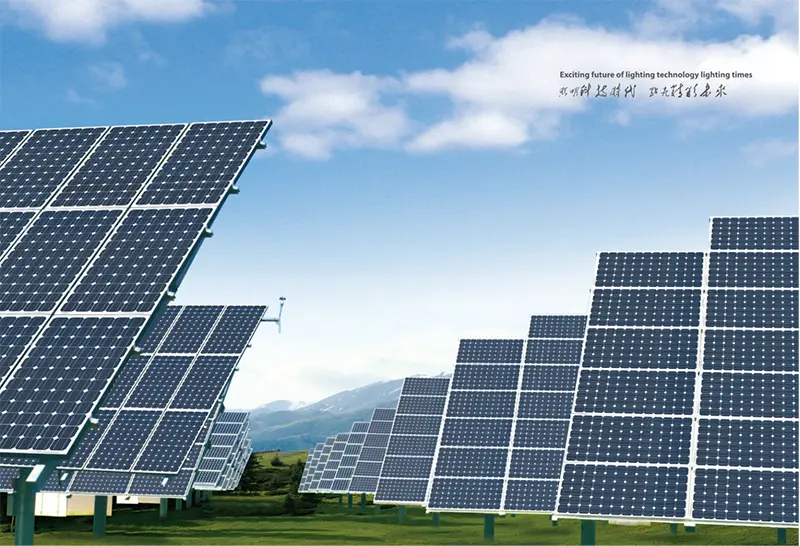
Solar photovoltaic modules are manufactured using high-efficiency, high-transmission solar cells, low-iron tempered glass, anti-aging EVA, and high-flame-retardant solar-specific back sheets through lamination, combined with an aluminum alloy frame. The product features high efficiency, long lifespan, easy installation, and strong wind resistance.
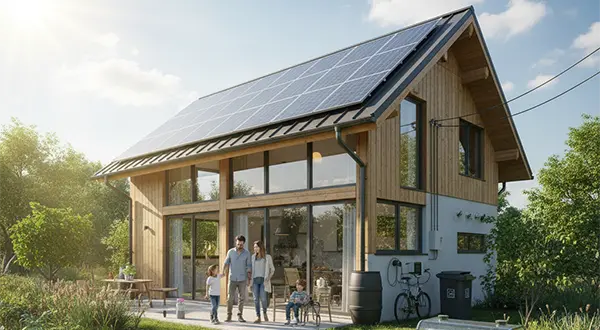
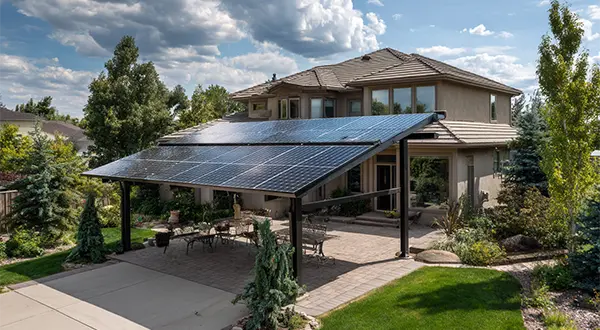
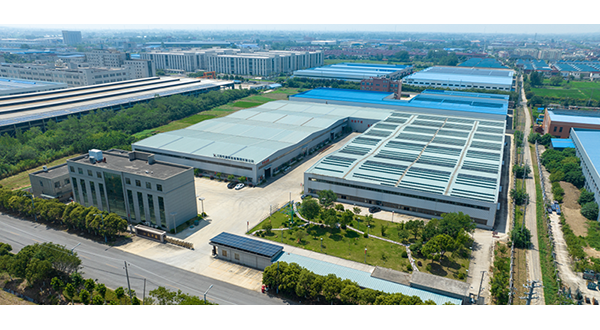
The product is manufactured in full compliance with the IEC 61215 standard and has passed testing by an authoritative testing center. Our products are exported to regions such as Europe, America, and Africa, and are widely used in residential solar systems, Pv Stations, communication and communication workstations, oil, marine, meteorological, transportation, and solar building applications, earning consistent praise from customers.
Installation
1.Climate Condition:
- Ambient temperature: -20℃ - +40℃
- Operating temperature: -20℃ - +80℃
- Snow Load Capacity: below 2000Pa
- Wind Load Capacity: below 3000Pa
- Water resistance: don’t install the PV panel in a location where it would be immersed in water or continually exposed to water from sprinkler or fountain, etc.
- Corrosion resistance: except for corrosive salt area and sulfurous area.
2.Orientation:
- PV modules should be installed facing south (in the Northern Hemisphere) or north (in the Southern Hemisphere). Incorrect installation direction may result in power output loss.
- PV modules should be installed in series in the same direction and at the same angle. Different directions or angles may result in power output loss due to variations in sunlight reception by the modules.
- Shade should be avoided as much as possible during installation, as it can cause power output loss, although bypass diodes have been used in the factory to minimize such losses.
3.Mounting and Notes
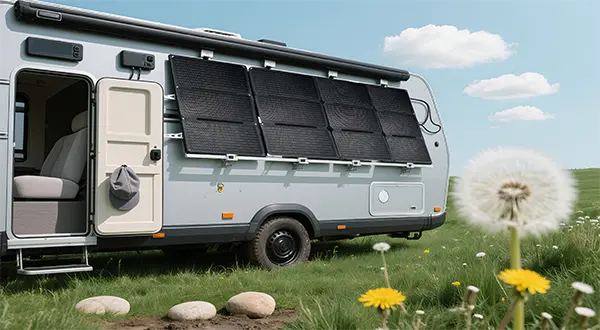
- Securely fasten the PV components to the mounting brackets using spring washers and flat washers.
- Ground the PV components appropriately based on the on-site environment and the condition of the mounting bracket structure.
- Note: Do not install the components near open flames or flammable materials. The assembly structure should be able to withstand environmental requirements; select appropriate materials. Corrosion protection measures should be implemented using reliable methods to install the components. If the components fall from a height, they may be damaged. Finally, the components must not be disassembled, bent, or struck with hard objects; avoid stepping on the components or performing similar actions.
4.Caution
- PV modules have a pair of male and female waterproof plugs. When connecting them in series, connect the “+” terminal of the previous module to the “-” terminal of the next module.
- The output circuit must be connected to the equipment correctly.
- Do not short-circuit the positive and negative terminals.
- Make sure there are no gaps between the connectors and insulated connectors.
- Gaps may cause sparks or electric shocks.
Maintenance
1. Inspect the suspension structure for loosening. If necessary, retighten all parts.
2. Inspect the connection status of all wires, ground wires, and plugs.
3. Regularly wipe the surface of the components with a soft cloth. If components need to be replaced, use the same type and model.
4. Do not touch the moving parts of cables or connectors with your hands; use appropriate safety equipment (insulated tools or gloves, etc.).
5. When repairing components, cover the front surface of the components with an opaque object or material, as components exposed to sunlight can generate high voltage, which is dangerous.