





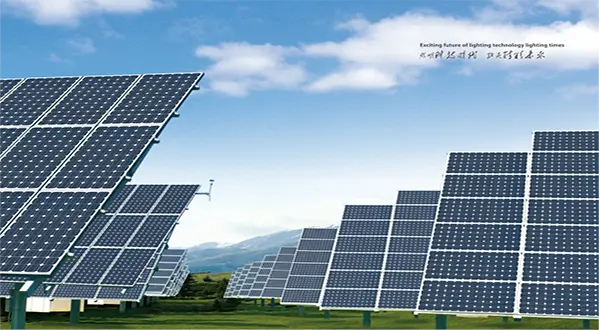
How can photovoltaic systems survive extreme weather conditions?
With the acceleration of global energy transformation and carbon neutrality goals, representative renewable energy sources such as photovoltaics and wind power are experiencing unprecedented rapid development. By 2024, the global photovoltaic installed capacity will exceed 550GW, and the cumulative installed capacity will reach 2.2TW, becoming the mainstream new source of electricity. However, with the rapid expansion of photovoltaic installed capacity, land suitable for the construction of photovoltaic projects has gradually become scarce, and the complexity of the operating environment is also increasing.
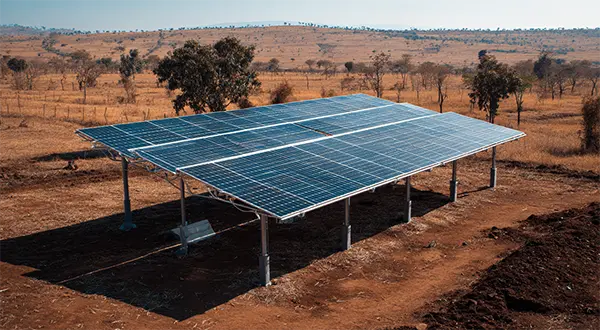
Photovoltaic systems must adapt to environments ranging from desert Gobi to plateau snow areas, from coastal areas affected by salt fog to inland areas with wind and sand, and to environments that may encounter extreme weather conditions such as typhoons, hail and blizzards. These changeable and complex environmental conditions force the photovoltaic industry to continuously promote technological innovation and improve the stability and energy output efficiency of the system. Although the probability of encountering extreme climate events is not high for most photovoltaic systems, once they occur, they may lead to serious consequences.
Therefore, for all areas that may face extreme weather challenges, photovoltaic projects should adopt special design and engineering solutions to resist the impact of extreme climate. This includes using weather-resistant materials, enhancing the stability of structures, and deploying advanced monitoring systems to track environmental changes and system performance in real time, ensuring that photovoltaic systems can operate stably under different conditions and optimize energy output.
At the same time, with the advancement of technology and the expansion of scale, it is equally important to reduce costs and increase the economic efficiency of photovoltaic systems. This not only helps to enhance the competitiveness of photovoltaic energy, but also promotes the widespread application of renewable energy, further supporting the continuous optimization of the global energy structure and the reduction of carbon emissions. The development of innovative solutions for extreme climate conditions will be one of the keys to the continued development of the photovoltaic industry.