

Ultimate Guide to Choosing the Right Solar Power System for Your Home Based on Expert Data
Sustainable energy is no longer just a wise choice—it's an imperative of our time. Selecting the right solar system for your home not only significantly boosts energy efficiency but also delivers substantial long-term savings.
Jiangsu Yuxin New Energy Group Co., Ltd. specializes in photovoltaic power plants and energy storage solutions, dedicated to providing comprehensive end-to-end services for industrial and commercial clients. From decision-making consultation and system design to construction and post-installation maintenance, our professional team walks alongside you every step of the way.
This guide aims to help homeowners gain a deeper understanding of how to select the solar power system that best suits their needs, making the entire process smooth and hassle-free. Whether you're installing solar for the first time or planning to upgrade your existing system, our recommendations will empower you to make more informed decisions aligned with your energy goals.
Understanding Different Types of Residential Solar Power Systems
First, the options for residential solar systems are far more diverse than imagined, with the core consideration being alignment with your specific needs: If you prioritize cost-effectiveness and stable grid connection, mainstream polycrystalline silicon panels are a reliable choice, offering mature conversion efficiency and low maintenance costs. For limited rooftop space and higher power generation efficiency, monocrystalline silicon panels deliver greater output in a more compact footprint. Households seeking complete energy independence and protection from grid fluctuations require off-grid systems paired with energy storage batteries. Grid-connected systems can also achieve flexibility by adding batteries, enabling both “self-consumption” and “selling surplus power back to the grid.” Different systems emphasize distinct application scenarios, initial investments, and long-term benefits—understanding these beforehand prevents blindly following trends.
Secondly, energy storage batteries are absolutely the “soul partner” of solar systems, not optional extras. A solar system without batteries forces unused daytime power into the grid, leaving nighttime or cloudy days entirely dependent on grid supply. During power outages, the generation equipment becomes useless. A highly compatible energy storage battery, however, can “save” excess daytime electricity. This not only ensures seamless operation of core appliances like refrigerators, lighting, and home electronics during outages or overcast conditions but also allows flexible management of peak-off-peak electricity rates. By using stored solar power during off-peak hours and reducing grid consumption during peaks, it further amplifies cost-saving benefits. Today's premium energy storage systems, rigorously tested by experts, offer full compatibility with mainstream solar panels. They feature extended lifespan, high safety standards, and intelligent management capabilities that monitor charging/discharging in real time for optimized energy usage.
Even more compelling, policy incentives continue to fuel the solar transition: Through 2025, the U.S. federal government's Investment Tax Credit (ITC) for solar installations remains in effect, offering eligible households up to 30% off installation costs. This means if your solar system (including storage batteries) costs $20,000 to install, you could directly deduct up to $6,000 from your federal income tax—effectively having the government cover nearly one-third of your green investment. This substantial cash subsidy significantly lowers the initial investment barrier, further shortening the payback period for solar conversions and making their cost-effectiveness increasingly apparent. Beyond this, many states offer additional benefits like local subsidies, Net Metering policies (selling excess electricity back to the grid for profit), and property tax breaks. In some regions, total subsidies can cover over 40% of the costs, making it a “green investment with guaranteed returns.”
It's important to note that technological advancements and policy support in the solar sector are constantly evolving: breakthroughs continue in high-efficiency perovskite solar panel development, energy storage battery costs decline annually while capacity increases, and incentives like tax credits and local subsidies may adjust over time. Staying informed about the latest technological trends and policy developments not only helps you select a more advanced and suitable system but also allows you to precisely time your benefits window, avoiding missing out on optimal subsidy opportunities.
Long-term, installing a solar system delivers sustained electricity savings (a quality system lasts 25-30 years with near-zero ongoing costs), boosts your home's market value (eco-friendly features now enhance property appeal), and contributes to reducing carbon emissions and combating climate change. Whether driven by reducing living expenses, pursuing energy independence, or fulfilling environmental responsibility, residential solar is a choice worthy of thorough consideration. By selecting the right system, properly configuring batteries, and maximizing available incentives, this transition can be both hassle-free and cost-effective—delivering a win-win decision for both your household and your wallet.
Comparing Solar Panel Technologies: Monocrystalline vs. Polycrystalline vs. Thin-Film
Before finalizing your plan, understand the core differences between the three mainstream solar panel types on the market—monocrystalline, polycrystalline, and thin-film panels—to precisely match your needs and avoid pitfalls. Below, we break down the unique characteristics of each panel type to help you choose the best fit.
1.Monocrystalline Solar Panels: The Top Performer Combining Efficiency and Aesthetics
Monocrystalline panels are currently the top choice in the residential solar market, earning them the title of “all-around champion.” Their core strengths lie in “high efficiency + durability”: Made from high-purity monocrystalline silicon, they boast the highest photovoltaic conversion efficiency among the three types (mainstream products reach 22%-26%). This means they generate more electricity per square foot of roof space, making them ideal for homes with limited rooftop area. Even in low-light conditions like cloudy days, early mornings, or evenings, their power output remains stable without significant drops due to insufficient sunlight.
Aesthetically, it holds its own—featuring uniformly deep black panels with clean, sharp lines. It seamlessly integrates with modern or minimalist building exteriors, preserving roof aesthetics. It also boasts the longest lifespan, with premium products typically offering 25-30 year warranties. Its long-term reliability is maximized, requiring virtually no additional maintenance over time.
However, its drawbacks are clear: due to the more complex purification and manufacturing processes for monocrystalline silicon, the cost is relatively higher. The initial investment is about 10%-15% higher than the other two panel types, making it more suitable for households with greater budget flexibility and a focus on long-term, high-efficiency returns.
2. Polycrystalline Silicon Panels: The Cost-Effective “Practical Choice”
If minimizing initial investment is your priority, polycrystalline panels offer the best value for money and serve as the entry-level option for many households. Typically priced 10%-20% lower than monocrystalline panels, their simpler production process and higher raw material utilization provide cost advantages, directly reducing upfront installation expenses.
While their polycrystalline structure results in slightly lower photovoltaic conversion efficiency (mainstream products range from 18% to 22%), and their appearance features a blue panel with a subtle granular texture—lending them a more pragmatic aesthetic—their power generation stability is equally reliable. They perform dependably under both sunny and cloudy conditions, fully meeting basic household electricity needs.
For households with ample rooftop space, this minor efficiency gap can be easily offset by increasing the number of panels. For instance, to achieve the same annual power generation of 5,000 kWh, polycrystalline silicon may require 1-2 additional panels compared to monocrystalline silicon. Nevertheless, the overall investment remains lower, and its long-term cost-effectiveness remains outstanding.
3. Thin-Film Solar Panels: The Flexible, Adaptable “Niche Choice”
Thin-film solar panels stand out as the most distinctive option among the three, with their key strengths being exceptional flexibility and lightweight design — — just a few millimeters thick and weighing less than one-third of traditional silicon-based panels. They require no complex mounting brackets during installation and can adapt to challenging scenarios like curved roofs, lightweight color-coated steel roofs, and irregular building facades that traditional silicon panels struggle to cover.
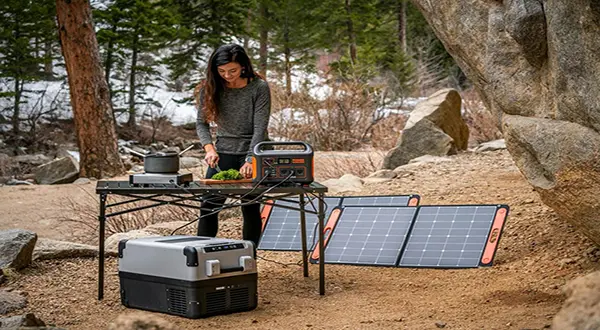
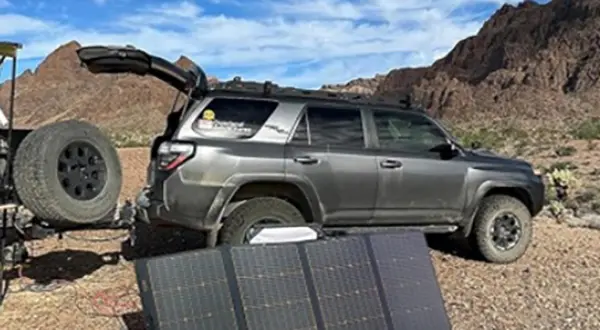
Even more versatile, they can be integrated into awnings, RVs, camping gear, or even backpacks. Their applications extend far beyond standard residential rooftops, making them ideal for users seeking personalized modifications (like creating a sunroom roof or adding a portable power system to an RV).
However, its drawbacks are also evident: it has the lowest photovoltaic conversion efficiency among the three types (mainstream products range around 10%-15%), a relatively shorter lifespan (typically 15-20 years), and requires a larger installation area to achieve comparable power generation to silicon-based panels. Therefore, it remains a niche choice for standard flat or pitched residential roofs, better suited for scenarios with unique installation requirements.
Choosing Tips: Avoid Pitfalls with These Guidelines!
1.Define Core Criteria First: Establish two key factors—roof space and budget:
- Limited roof space (e.g., high-rise balconies, small pitched roofs): Prioritize monocrystalline silicon for high efficiency and space savings, eliminating need for extra space to boost output.
- Limited budget with ample roof space (e.g., large roofs on detached homes): Opt for polycrystalline silicon for maximum cost-effectiveness. Compensate for lower efficiency with larger area for overall better returns.
- Unique roof structures (curved surfaces, lightweight roofs) or flexible installation needs (e.g., RVs, sunrooms): Directly choose thin-film panels for unmatched adaptability.
2.Don't overlook thermal degradation: Many underestimate temperature's impact on power generation—solar panels experience efficiency loss in high heat, especially after summer exposure. Uneven temperature distribution also accelerates component aging and shortens lifespan. Opt for panels with advanced heat dissipation technology (e.g., heat-dissipating backsheets, channeled frame designs) to ensure stable output during hot weather while extending panel longevity—saving money long-term.
3.Consider usage scenarios for added benefits: In regions with frequent overcast conditions (e.g., rainy or foggy areas), monocrystalline silicon's superior low-light performance reduces power generation losses during cloudy days. For those seeking “long-term worry-free operation,” monocrystalline silicon's extended lifespan and low degradation rate offer greater cost-effectiveness, with virtually negligible maintenance costs over time.
The Importance of Sizing Your Solar Power System Correctly
When installing a solar system at home, two core factors cannot be overlooked: size compatibility and economic benefits. Finding the right balance ensures both peace of mind and cost-effectiveness.
Selecting the correct system size is fundamental — too small and it won't meet household electricity needs, potentially requiring costly upgrades later; too large wastes investment and makes it difficult to achieve a reasonable return. Only a properly sized system can balance power supply demands with resource utilization. Determining the right size is straightforward: Start by reviewing last year's energy bills, focusing on average daily electricity consumption (measured in kilowatt-hours, kWh). This is the core basis for calculating panel output. Also, factor in seasonal variations—annual fluctuations in sunlight levels and electricity usage will impact system suitability. If unsure, consult a professional installer for fine-tuning calculations. This ensures the system aligns with your lifestyle while maximizing solar energy utilization.
The economic advantages are another major highlight of solar energy. First, leverage policy benefits: The federal solar tax credit significantly offsets installation costs, and many states offer additional incentives like performance-based rebates, sales tax exemptions, or property tax credits. These incentives substantially reduce upfront investment. Consider the long-term gains: As electricity rates rise, self-generated power can substantially reduce or even eliminate monthly bills, yielding substantial savings over time. Crucially, solar panels also increase home value. Thus, installing solar isn't just an eco-friendly choice—it's a smart investment that hedges against rising electricity costs and delivers long-term returns. Taking the time to analyze your energy usage and calculate potential savings is absolutely worthwhile.