
Four Essential Tips for Choosing the Best Solar Generators for Your Global Needs
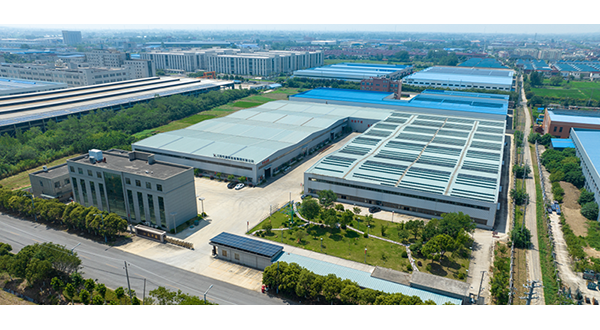
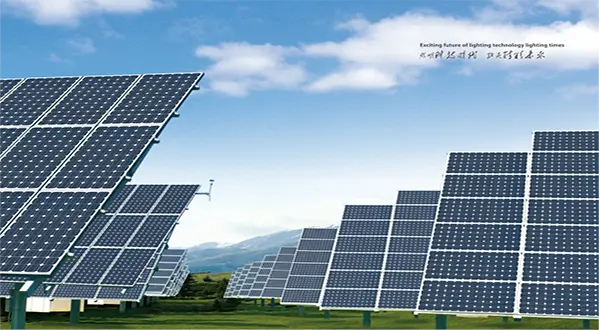
As the global pursuit of renewable energy intensifies, solar power generation technology is emerging as a vital solution to meet energy demands across industries. According to projections by the International Energy Agency, solar power capacity is poised for exponential growth by 2025, expected to exceed 3,000 gigawatts. At the forefront of the industry, Jiangsu Yuxin New Energy Group Co., Ltd. specializes in photovoltaic power plant construction and the development of energy storage solutions. The company offers comprehensive services encompassing investment advice, design, construction, operation, and maintenance, ensuring close collaboration with clients at every stage. Selecting the appropriate solar power generation system not only enhances corporate energy efficiency and reduces operational costs but also supports global sustainable development goals. Understanding the key factors in choosing a solar power system that meets both current and future needs is crucial.
Tip 1: Define your unique energy requirements for Solar Generators
Before considering the purchase of A Solar Generator, it is crucial to first clarify your specific energy requirements. We recommend listing all devices that require power, such as refrigerators, lighting, laptops, and any potential medical equipment. Estimate the continuous runtime needed for these devices during power outages or while traveling. This will help determine the generator capacity you require. Additionally, your lifestyle should be taken into account. For instance, if you frequently move, a lightweight and portable model would be more suitable; whereas living in remote or off-grid areas may require a durable generator with greater storage capacity. Furthermore, the type of solar panels and batteries significantly impacts the generator's performance and endurance. With an increasing variety of products available on the market, staying informed about the latest industry developments and updated product information is crucial for finding a generator configuration that meets your specific needs. Conducting thorough market research and product comparisons will help you make a cost-effective choice that aligns with your requirements.
Tip 2: Key Characteristics to Look for in High-Quality Solar Generators
When selecting the best solar generator globally, several key factors must be considered. First, high-efficiency generator models are preferred as they maximize energy extraction from solar panels and batteries, thereby enhancing system efficiency. Second, inverter capacity is a critical consideration, as it determines the generator's ability to handle varying loads. Opting for a larger inverter ensures system stability when operating multiple devices simultaneously.
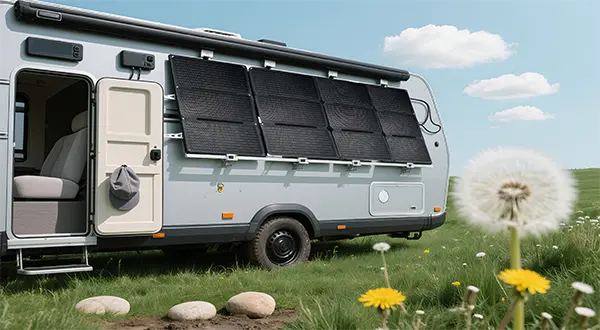
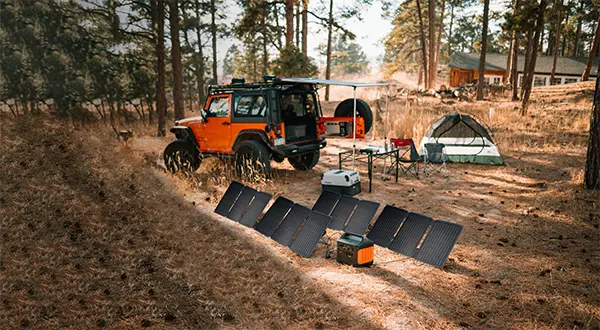
Portability and lightweight design are also vital considerations, particularly for users who frequently move or engage in outdoor activities like camping or hiking. Models featuring built-in handles or wheels are recommended for easy transport and maneuverability.
Finally, examine the generator's available outlets and port types, including USB and AC options. Generators with diverse charging capabilities offer greater convenience for powering various devices. Therefore, when selecting a solar generator, carefully evaluate its outlet and port configurations to ensure they meet all your charging requirements.
Tip 3: Comparing Solar Generator Types: Portable vs. Stationary
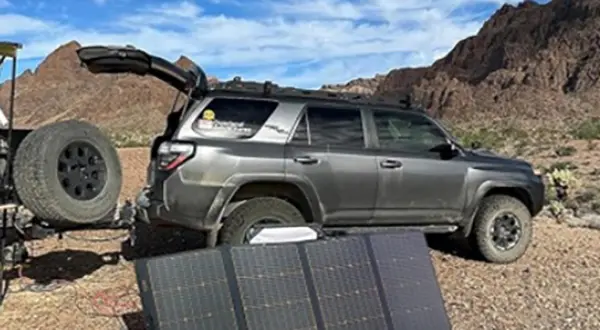
When selecting a solar generator, distinguishing between portable and stationary types is crucial. Portable Solar Generators are lightweight and easy to carry, making them ideal for outdoor activities, camping trips, or as emergency backup power sources. Market research indicates that the portable solar generator market is projected to reach approximately $1.5 billion by 2025. This growth is primarily driven by increasing interest in outdoor activities and rising demand for off-grid power solutions. The lightweight design of portable devices allows users to easily carry solar power sources, offering convenience without compromising power output.
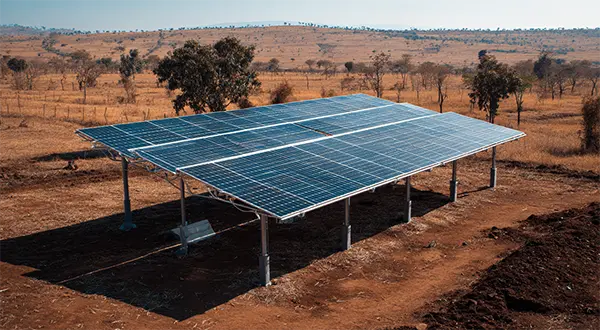
In contrast, stationary solar generators, also known as solar power stations, are primarily used to provide larger-scale, long-term stable energy supply. These generators are suitable for residential or large-scale projects. According to Mordor Intelligence's report, the stationary solar generator market is also projected to exhibit positive growth trends, driven by continuously rising global energy demand and government support policies for renewable energy. Understanding the characteristics and applicable scenarios of both types of solar generators helps consumers select the most suitable solar power solution based on their specific needs—whether for travel, home use, or permanent power requirements in workplaces.
TIP 4: Assessing battery capacity and solar panel efficiency
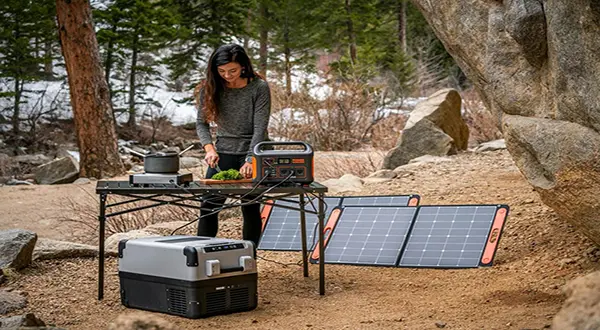
When seeking the optimal solar generator to meet your needs, whether globally or locally, focusing on several key factors is crucial. First, battery capacity is vital for the device's energy storage. When dealing with power outages or off-grid situations, higher battery capacity translates to longer energy supply duration. Opting for a generator with a higher amp-hour (Ah) rating is recommended, as this directly indicates the available power supply. Simultaneously, consider battery type: lithium-ion batteries typically offer longer endurance and faster charging speeds compared to traditional lead-acid batteries.
Furthermore, the efficiency of solar panels is a critical consideration. High-efficiency panels convert more sunlight into usable energy, enabling faster generator charging and more efficient operation—particularly vital in low-light conditions. When evaluating models, assess both the wattage output and panel efficiency. Typically, monocrystalline silicon panels represent a wiser choice due to their compact size and superior efficiency.