





Analysis of the Watershed of the Photovoltaic Industry in 2025
In 2025, the photovoltaic industry will usher in two key time nodes-April 30 and May 31. These two dates are not only policy watersheds, but also important moments that photovoltaic practitioners must pay close attention to. The "Notice on Deepening the Market-oriented Reform of New Energy Grid-connected Electricity Prices and Promoting the High-quality Development of New Energy" issued by the National Development and Reform Commission and the Energy Bureau clarified the specific policy changes at these two nodes, which directly affect the revenue model and future development of photovoltaic projects.
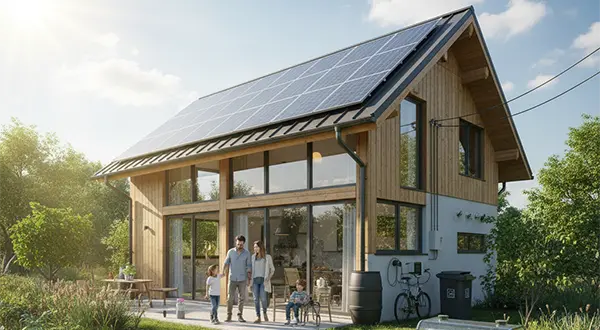
The industry opportunities behind the policy can be summarized into three points. The first point is household green electricity: a market with huge potential. After the implementation of the new policy, household green electricity will become a new growth point. With the continuous decline in the cost of photovoltaic components, the installation threshold of household photovoltaic systems has been greatly reduced, and ordinary families can also participate easily. Although the new policy requires the grid-connected electricity to be traded in the market, there is still a certain policy bias towards natural person household projects, and the benefits are still considerable.
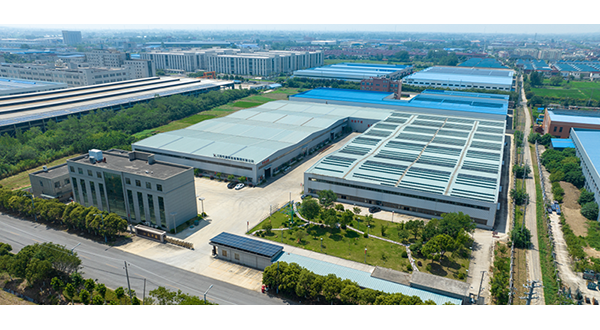
The second point is industrial and commercial photovoltaic self-investment: a new choice for cost reduction and efficiency improvement. The new policy encourages the model of "self-generation and self-use, surplus electricity to the grid", providing industrial and commercial enterprises with a new path to reduce costs and increase efficiency. By installing photovoltaic power stations, enterprises can not only reduce electricity costs, but also improve the economic efficiency of energy use under the background of market-based electricity prices.
The third point is energy storage: the "golden partner" of the photovoltaic industry. With the advancement of market-based transactions, electricity price fluctuations will become the norm, and the importance of energy storage will become increasingly prominent. By configuring energy storage systems, photovoltaic projects can store electricity during low-price periods and use or sell it during high-price periods, thereby maximizing profits. Photovoltaic storage integration will become the mainstream model of future photovoltaic projects. Therefore, April 30 and May 31, 2025, are not only policy time nodes, but also key turning points in the development of the photovoltaic industry. The introduction of the "self-generation and self-use" model of distributed photovoltaics and the market-based trading mechanism has brought challenges and new opportunities.
In the future, the photovoltaic industry will develop in a more market-oriented and professional direction. Sub-sectors such as household green electricity, industrial and commercial photovoltaics, and energy storage will become new growth points. For photovoltaic practitioners, only by keeping up with the pace of policies and flexibly responding to market changes can we seize opportunities in industry changes and achieve sustainable development.